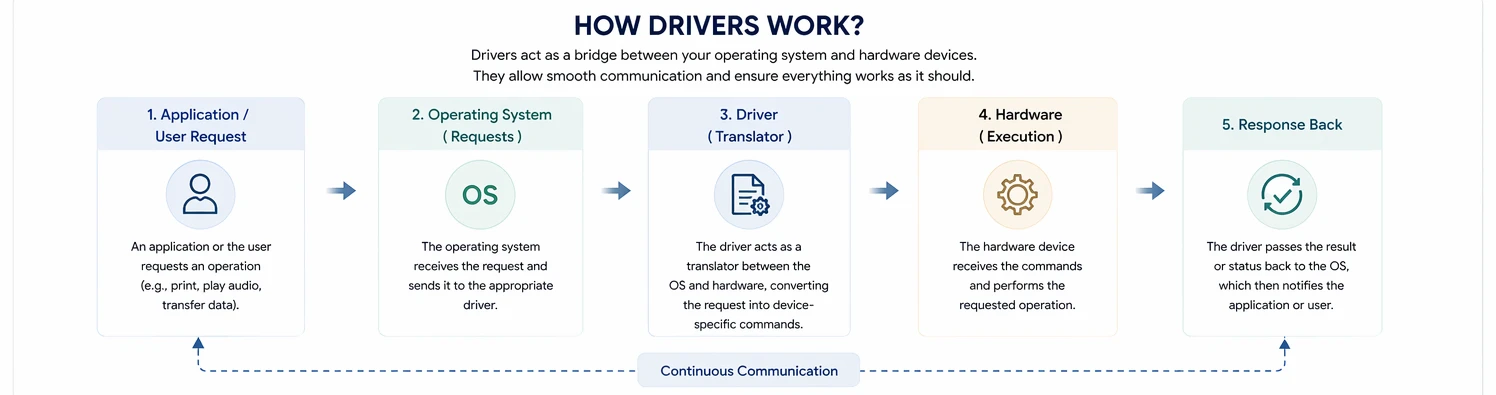
Audio drivers are essential software components that manage communication between the operating system and audio hardware such as speakers, headphones, and microphones — ensuring sound is processed correctly for clear output and reliable input.
At a fundamental level, audio drivers convert digital signals from the operating system into analog signals that can be played through speakers or headphones. Similarly, they convert analog input from microphones into digital data that can be processed by applications. This bidirectional functionality makes audio drivers crucial for both playback and recording.
Modern audio drivers support a wide range of advanced features, including surround sound, noise cancellation, echo reduction, and equaliser settings. These features enhance the listening experience — whether for entertainment, gaming, or professional audio work. Without proper drivers, users may experience issues such as no sound, distorted audio, or poor microphone quality.
Audio drivers also play a role in latency management, which is especially important for real-time applications like video calls, streaming, and music production. Low-latency performance ensures that audio is synchronised with video and user input.
In addition, audio drivers ensure compatibility with various applications and operating systems, allowing seamless integration with multimedia software, communication tools, and web browsers.
Regular updates to audio drivers can fix bugs, improve sound quality, and add support for new audio technologies. Maintaining updated audio drivers is essential for ensuring a smooth and high-quality audio experience across all use cases.



 Chipset Driver
│ │ ├─ CPU communication
│ │ ├─ RAM coordination
│ │ └─ Motherboard control
│ │
│ ├──
Chipset Driver
│ │ ├─ CPU communication
│ │ ├─ RAM coordination
│ │ └─ Motherboard control
│ │
│ ├──  Graphics Driver
│ │ ├─ GPU rendering
│ │ ├─ Display output
│ │ └─ Gaming & visuals
│ │
│ ├──
Graphics Driver
│ │ ├─ GPU rendering
│ │ ├─ Display output
│ │ └─ Gaming & visuals
│ │
│ ├──  Audio Driver
│ │ ├─ Sound output
│ │ ├─ Microphone input
│ │ └─ Audio processing
│ │
│ └──
Audio Driver
│ │ ├─ Sound output
│ │ ├─ Microphone input
│ │ └─ Audio processing
│ │
│ └──  Network Driver
│ ├─ Wi-Fi connectivity
│ ├─ Ethernet support
│ └─ Data transmission
│
├──
Network Driver
│ ├─ Wi-Fi connectivity
│ ├─ Ethernet support
│ └─ Data transmission
│
├──  Storage Controller
│ │ ├─ SSD / HDD control
│ │ ├─ Data transfer
│ │ └─ Boot performance
│ │
│ ├──
Storage Controller
│ │ ├─ SSD / HDD control
│ │ ├─ Data transfer
│ │ └─ Boot performance
│ │
│ ├──  USB Driver
│ │ ├─ Device detection
│ │ ├─ Plug & play
│ │ └─ Data + power control
│ │
│ ├──
USB Driver
│ │ ├─ Device detection
│ │ ├─ Plug & play
│ │ └─ Data + power control
│ │
│ ├──  Bluetooth Driver
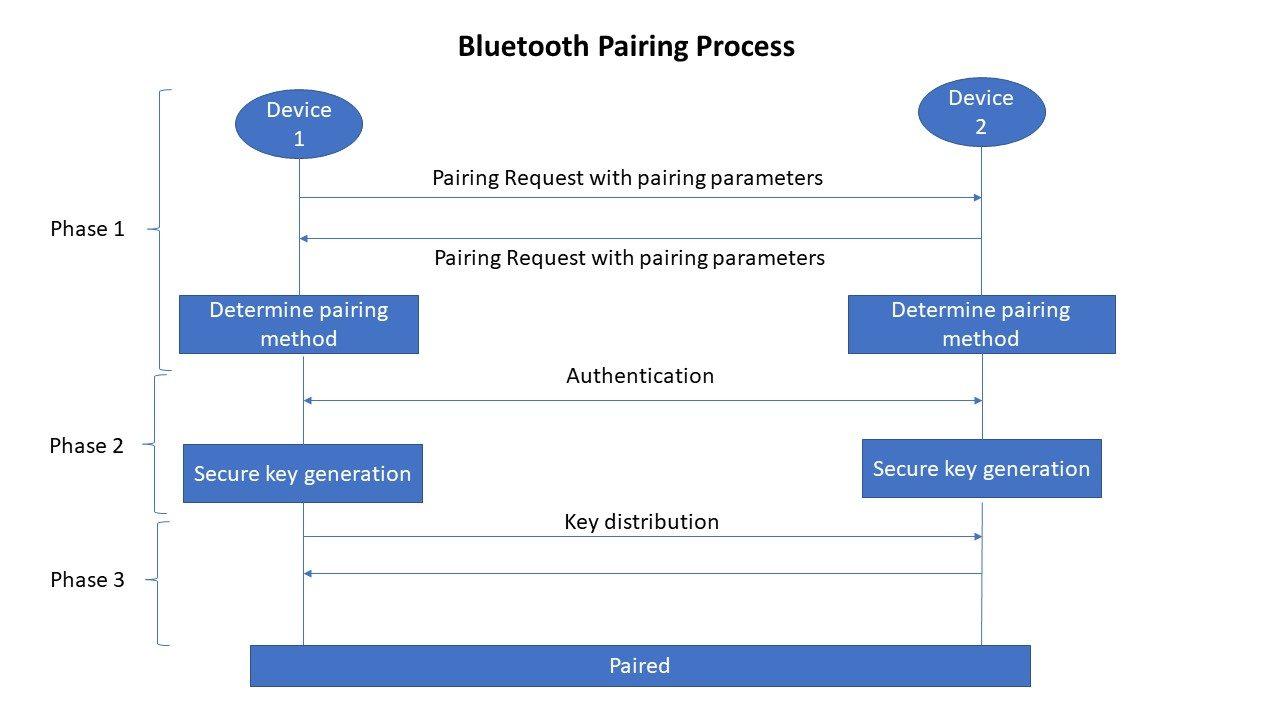
│ │ ├─ Wireless pairing
│ │ ├─ Device communication
│ │ └─ Low energy usage
│ │
│ └──
Bluetooth Driver
│ │ ├─ Wireless pairing
│ │ ├─ Device communication
│ │ └─ Low energy usage
│ │
│ └──  Input Drivers
│ ├─ Keyboard input
│ ├─ Touchpad gestures
│ └─ Mouse control
│
├──
Input Drivers
│ ├─ Keyboard input
│ ├─ Touchpad gestures
│ └─ Mouse control
│
├──  Webcam Driver
│ ├─ Video capture
│ ├─ Streaming control
│ └─ Resolution settings
│
└──
Webcam Driver
│ ├─ Video capture
│ ├─ Streaming control
│ └─ Resolution settings
│
└──  Boot Firmware
│ ├─ System boot
│ ├─ Hardware initialisation
│ └─ Firmware control
│
├──
Boot Firmware
│ ├─ System boot
│ ├─ Hardware initialisation
│ └─ Firmware control
│
├──  Security Drivers
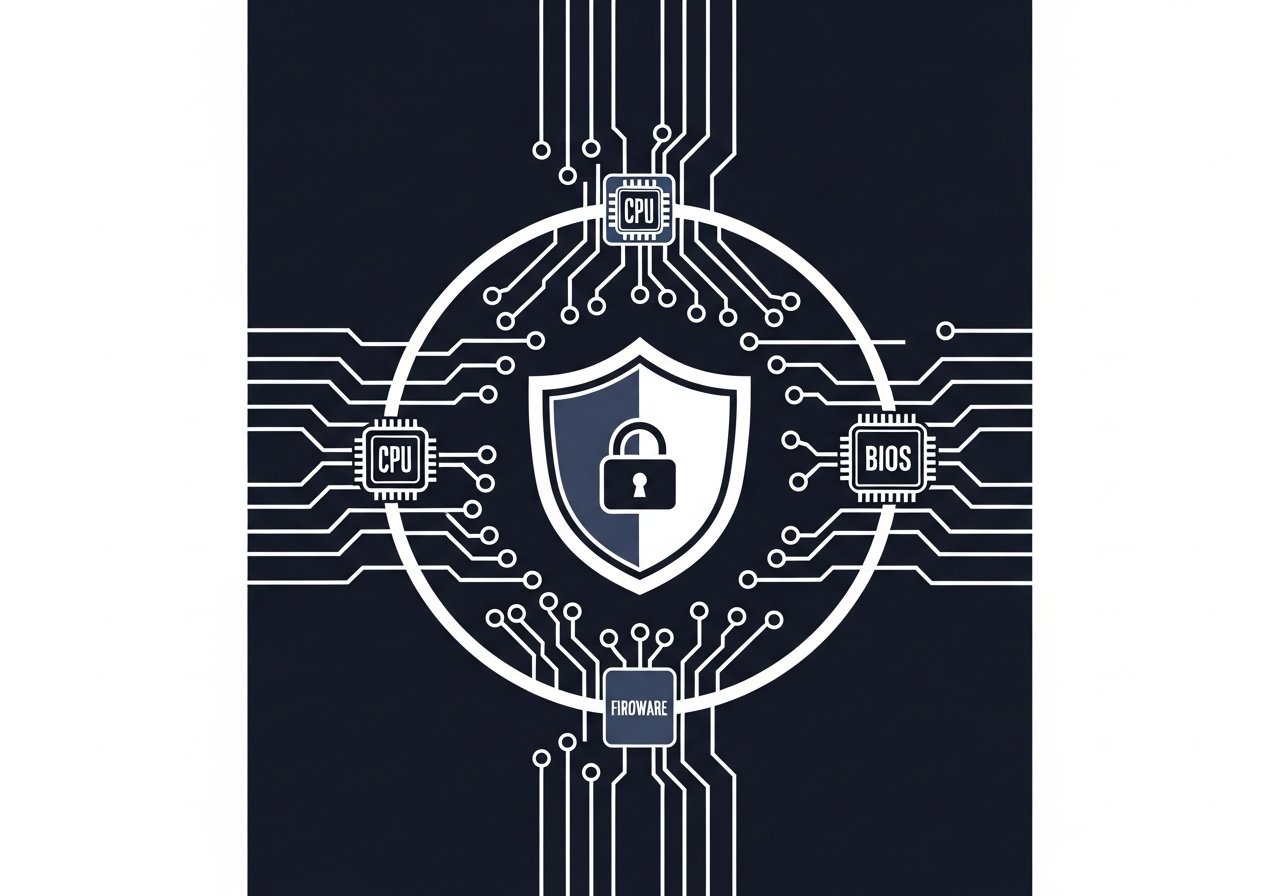
│ ├─ Encryption
│ ├─ Secure boot
│ └─ Data protection
│
└──
Security Drivers
│ ├─ Encryption
│ ├─ Secure boot
│ └─ Data protection
│
└──  Monitor Driver
├─ Resolution control
├─ Refresh rate
└─ Colour calibration
Monitor Driver
├─ Resolution control
├─ Refresh rate
└─ Colour calibration